
Gifts to the Kohen
Zeroa, Lechayayim and Keva: Tradition and Practice
A source-based institutional presentation of the Torah-directed gifts from kosher slaughter and their place within the Torah framework governing kosher meat.
Kosher Meat as the Torah Directs
Igud HaKohanim Inc. presents source-based guidance concerning Kehuna and the Torah-designated gifts of the Kohanim through Kehuna.org, its published works, educational initiatives, and institutional activity.
This page explains how the Zeroa, Lechayayim, and Keva fit within the Torah framework governing kosher meat and the responsibilities created by qualifying slaughter.
Kosher means more than food that is technically permissible. It means food produced in accordance with Torah instruction. When it comes to cattle, sheep, goats, and other qualifying animals, proper shechita is essential, but it is not the entire Torah framework. The separation and giving of the Zeroa, Lechayayim, and Keva belong within the Torah order governing kosher meat.
This page therefore presents kosher meat within its broader Torah structure: slaughtered according to Torah requirements, handled in accordance with the obligations created by that slaughter, and with the Kohen receiving the portions the Torah assigns to him.
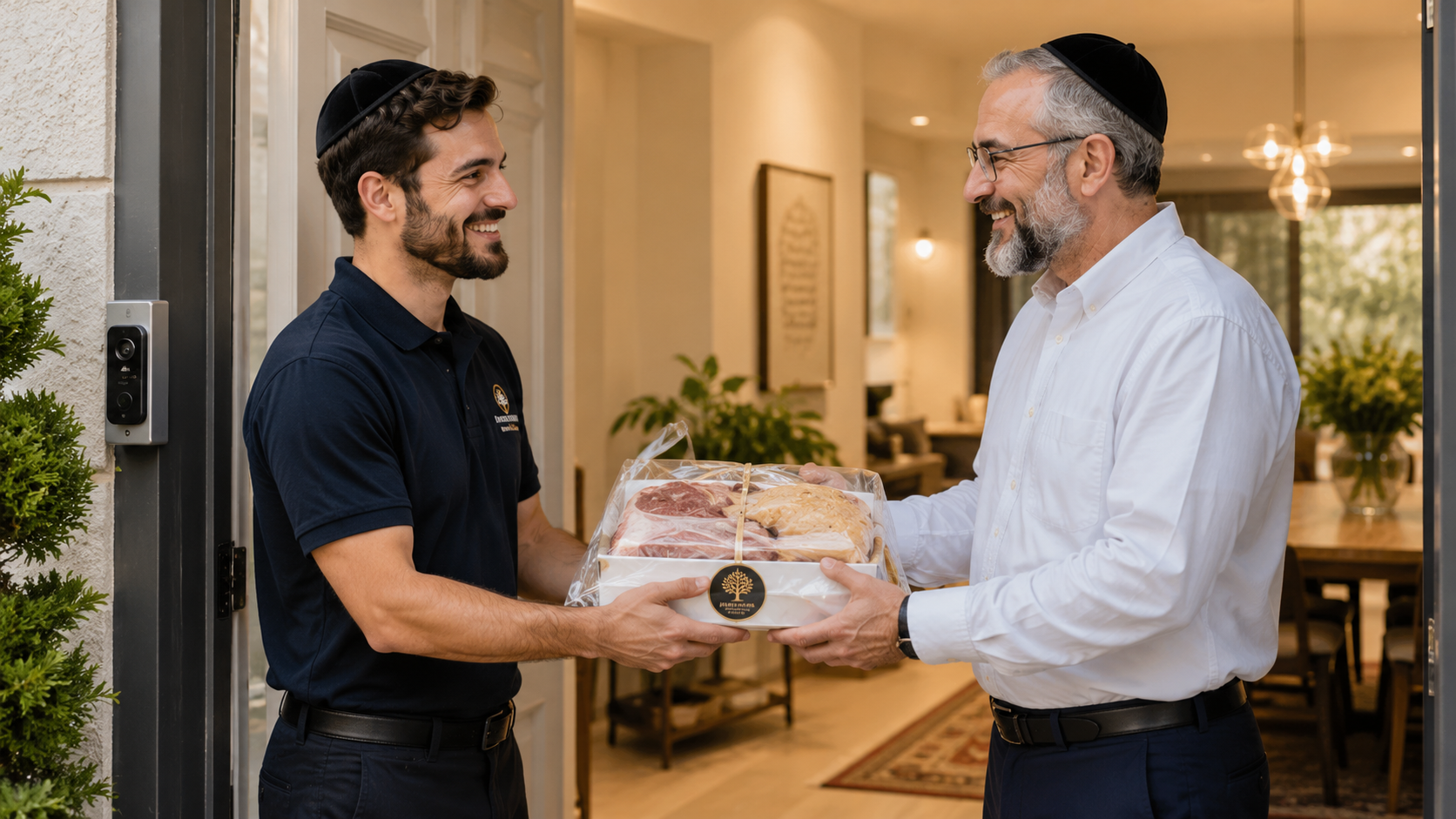
A Torah Requirement Within Kosher Meat
Many people understand kosher meat primarily in terms of the species, shechita, inspection, and preparation. Fewer realize that the Torah also assigns specific portions from qualifying slaughter to the Kohen: the Zeroa, Lechayayim, and Keva—the foreleg, cheeks, and abomasum, or fourth chamber of a ruminant animal’s stomach.
These are not symbolic tokens. They are actual portions of a kosher-slaughtered animal that the Torah assigns to the Kohen. Their separation belongs within the properly ordered Torah framework for kosher meat, together with the responsibilities of shochtim, slaughterhouses, kosher-certification institutions, butchers, and consumers.
וְזֶה יִהְיֶה מִשְׁפַּט הַכֹּהֲנִים מֵאֵת הָעָם מֵאֵת זֹבְחֵי הַזֶּבַח
“And this shall be the due of the Kohanim from the people, from those who slaughter the offering.”
Deuteronomy 18:3
Classical Sources
The Torah commandment is developed in the Mishnah and codified in the classical sources governing the priestly gifts.
Mishnah, Chullin — Perek HaZeroa, chapter 10: the Mishnah presents Zeroa, Lechayayim and Keva as a commandment relevant in the Land of Israel and outside it, whether the Temple stands or not.
Rambam, Hilchot Bikkurim uMatanot Kehuna 9:1: the gifts are codified as part of the continuing Torah laws governing the portions given to Kohanim. View the source .
מתנות נהוגות בכל מקום, בין בארץ בין בחוצה לארץ, בין בפני הבית בין שלא בפני הבית.
“The gifts are practiced in every place, both in the Land and outside the Land, both when the Temple stands and when it does not.”
Shulchan Aruch, Yoreh Deah 61:21
This classical formulation should be read together with the later positions and communal practices that developed outside the Land of Israel. The section below therefore distinguishes the classical source record from the range of later practice.
The Three Priestly Gifts
The Torah names three portions. Together, they are often referred to simply as the matanot—the gifts.
Zeroa — Foreleg
The right foreleg of the animal. Its precise boundaries are discussed in the Torah sources, but it is a substantial and valuable portion assigned to the Kohen.
Lechayayim — Cheeks
The cheek portions, including the tongue between them. The Torah instructions also address the attached skin and hair and the manner in which these portions are given.
Keva — Abomasum
The abomasum is the fourth and final chamber of a ruminant animal’s stomach. This portion, together with the relevant fat, is assigned to the Kohen.
From Animal to Portion
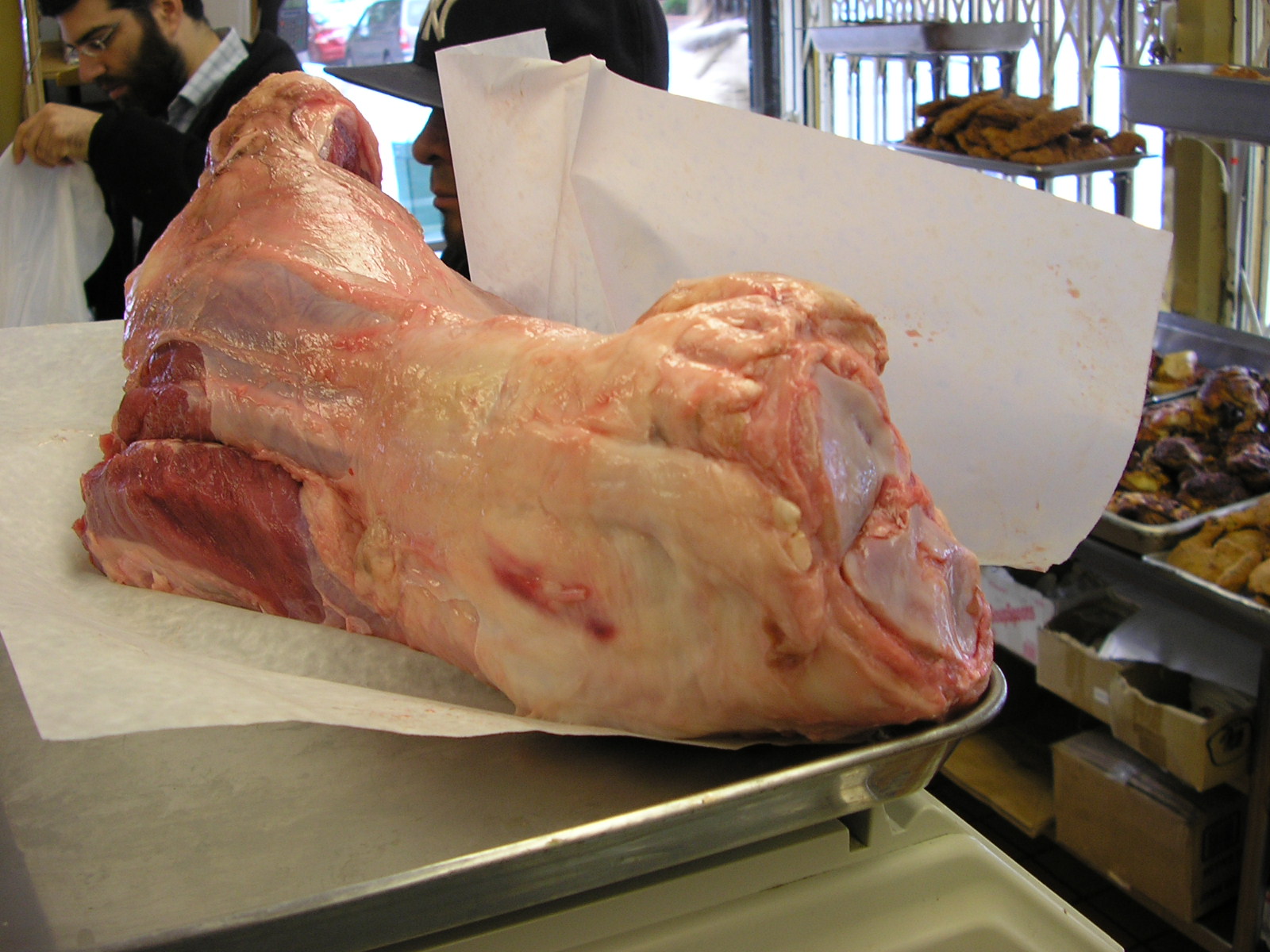
Recognizing the Zeroa
Before the foreleg becomes familiar butcher-counter cuts, it is easier to understand the commandment by seeing where the Zeroa begins on the animal and what the intact portion looks like before further cutting and preparation.

Who Is Responsible?
One of the most important facts is that the commandment is connected directly to the act of slaughter. The Torah speaks of the due of the Kohanim as coming from those who slaughter. That places the shochet at a decisive point in the Torah system: without his act of shechita, the qualifying slaughter does not take place at all.
For that reason, the shochet’s responsibility is not merely a question of who owns the animal or who signs his paycheck. Whether he is the owner, an employee of a slaughterhouse, or acting on behalf of another party, it is his hand that performs the act by which the animal enters the kosher-meat system. The surrounding institutions have important responsibilities of their own, but the shochet cannot treat the priestly gifts as a matter that belongs only to someone farther down the chain.
- The obligation rests principally upon the shochet—the person who actually performs the slaughter.
- Ownership or employment does not remove the responsibility attached to the act he performs.
- Because the shochet stands at the indispensable point in the process, he is uniquely positioned to ensure that a responsible arrangement for the gifts is in place as part of the slaughter process.
- The gifts are to be separated and directed to the Kohen as part of the Torah order created by the slaughter.
- If that responsibility is neglected, the designated portions themselves are not simply ordinary meat available for unrestricted consumption.
- A Kohen who receives them is not merely accepting charity. He is receiving a Torah-designated due.
Does the Commandment Apply Today?
The commandment is not dependent upon Temple service and remains relevant to ordinary qualifying slaughter in the present generation. Its application in the Land of Israel is direct, while practice outside the Land has been the subject of differing positions and customs.
The commandment concerns ordinary kosher slaughter and is not dependent upon sacrificial service in the Temple.
Its application in the Land of Israel remains part of the continuing Torah order governing qualifying animal slaughter.
Torah authorities have addressed its application outside the Land, and actual practice has varied among communities and institutions.
The issue does not disappear merely because slaughter takes place on an industrial scale or for a commercial market.
The commandment concerns the Kohanim of the present generation, recognized according to established Torah standards.
Slaughterhouses, kosher-certification institutions, butchers, owners, shochtim, and Kohanim all affect how the commandment is carried out.
Why This Commandment Matters
These gifts belong to the Torah’s regular order for kosher meat. Each qualifying slaughter creates a real question of separation and giving.
A Repeated Obligation
Every qualifying slaughter creates a new responsibility concerning separation and giving.
Material Support for Kohanim
The gifts are valuable portions of meat. Across an entire kosher-meat system, their economic value can be substantial.
A Matter for Kosher Consumers
Some of the relevant portions may enter the ordinary meat market. Consumers therefore have reason to understand what these portions are.
A Responsibility of Institutions
Shochtim, slaughterhouses, kosher-certification institutions, butchers, owners, and Torah authorities all influence how the commandment is understood and practiced.
Modern Storage Makes Delivery Practical
Refrigeration and freezing allow the gifts to be preserved, transported, and distributed as part of an organized meat system.
The Dignity of Kehuna
The Kohen receives these gifts by Torah right, not as a favor, fundraising gesture, or act of private charity.
Familiar Cuts · Deeper Torah Questions
Hiding in Plain Sight at the Kosher Butcher
These portions do not necessarily look unusual. Once processed and packaged, they may appear like ordinary familiar cuts of meat.
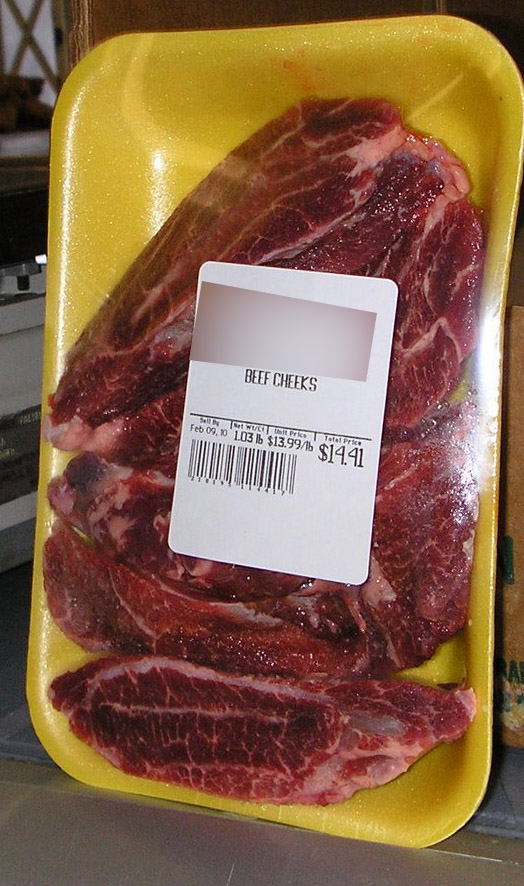
Beef Cheeks
The Lechayayim are among the portions the Torah identifies for the Kohen, even when the meat appears in an ordinary retail package.
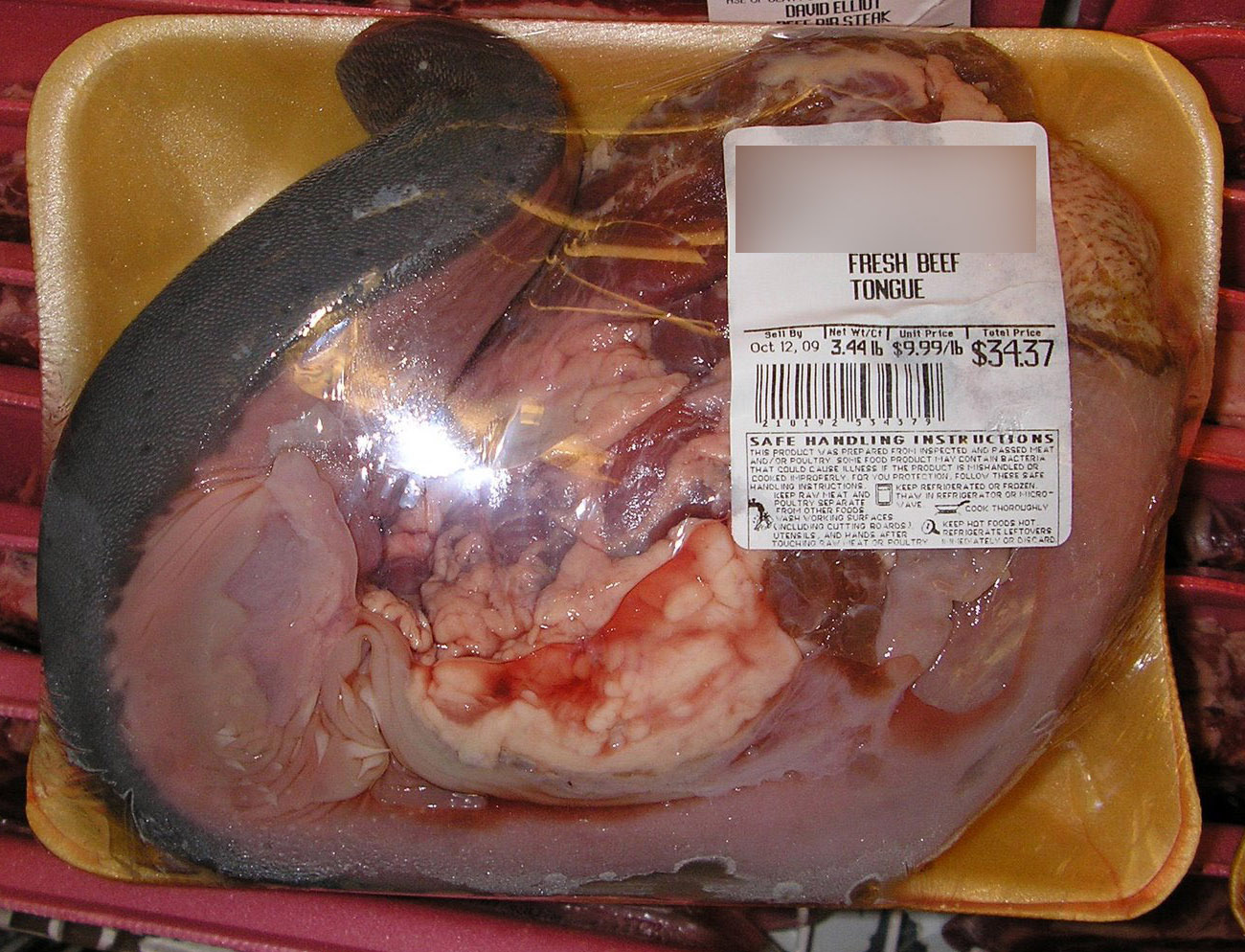
Fresh Beef Tongue
The tongue lies between the cheek portions and belongs directly in the discussion surrounding the Lechayayim.
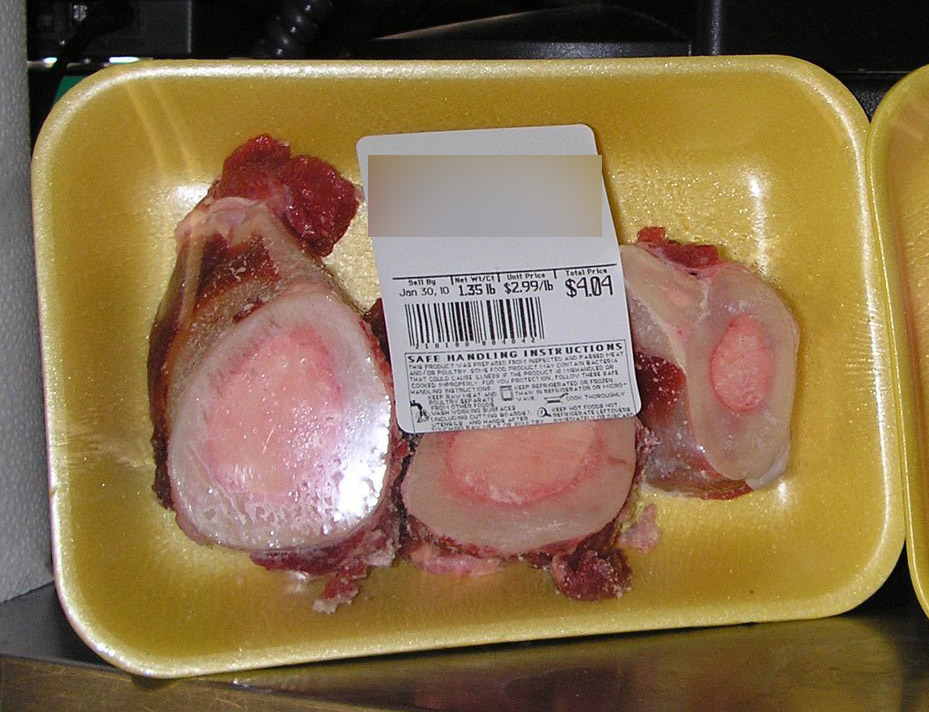
Foreleg and Marrow Bones
Once the foreleg is cut into smaller sections, its origin may no longer be obvious from the package itself.
The point of these photographs is not to make ordinary kosher meat appear suspicious. It is to show why the Torah-designated portions should be addressed before they disappear into ordinary processing, packaging, and sale.
A Question That Reaches the Consumer
What If the Priestly Gifts Were Not Given?
The Torah-source discussion makes an important distinction between the remainder of the animal and the actual Zeroa, Lechayayim and Keva.
אמר רבי יוחנן אסור לאכול מבהמה שלא הורמו מתנותיה כאילו אוכל טבלים
Rabbi Yochanan teaches that one should not eat from an animal before its priestly gifts have been separated, comparing the matter to eating tevel.
Chullin 132b
The Sheiltot preserves this stringent strand of the source discussion. The later practical ruling, however, distinguishes the remainder of the animal from the gifts themselves.
The later ruling permits the remainder of the animal even when the gifts were not separated. But this does not convert the actual Zeroa, Lechayayim and Keva into ordinary portions. The designated gifts remain the portions due to the Kohen.
The later practical ruling does not prohibit the remainder merely because the priestly gifts were not separated earlier.
The foreleg, cheeks and abomasum remain the Torah-designated portions due to the Kohen.
The commandment reaches its intended result through giving the designated portions to a Kohen.
The slaughter and distribution system can separate, preserve and deliver the portions as part of an organized process.
Part of the Larger Pattern of Priestly Gifts
Zeroa, Lechayayim and Keva belong to the Torah’s larger pattern of first and designated gifts established by God and received by the Kohen as the appointed recipient.
This same pattern appears in first dough, first wool, first fruits, firstborn redemption, and other priestly gifts.
What Can an Ordinary Kosher Consumer Do?
Consumers can understand the issue, ask informed questions, and support meat systems that actually separate and deliver the priestly gifts.
Four Points Worth Knowing
See the Three Gifts in Practice
Igud HaKohanim has preserved archival footage connected with the practical identification and separation of the priestly gifts. Because some footage comes from slaughterhouse settings, each video remains hidden until a visitor chooses to view it.
Zeroa — Foreleg View archival video — may contain graphic slaughterhouse imagery
Archival footage relating to the foreleg designated for the Kohen.
Lechayayim — Cheeks View archival video — may contain graphic slaughterhouse imagery
Archival footage associated with the cheek portions and tongue.
Keva — Abomasum View archival video — may contain graphic slaughterhouse imagery
Archival footage relating to the abomasum.
Further Study & Historical Documentation
Kehuna.org preserves research, source studies, consumer guidance and practical records concerning Zeroa, Lechayayim and Keva.
A focused study distinguishing the remainder of the animal from the actual Zeroa, Lechayayim and Keva.
Read the consumer source studyHistorical notes from a discussion concerning implementation of Zeroa, Lechayayim and Keva in the United States.
Read the meeting recordSource material concerning commercial slaughter and arrangements surrounding the priestly gifts.
Read the source studyHistorical and source-based background on organized distribution of priestly gifts.
Study Makirei KehunaA focused discussion of responsibility for giving the foreleg, cheeks and abomasum.
Read the discussionHistorical Kehuna.org material documenting practical activity involving Zeroa, Lechayayim and Keva in Israel.
View the Israel recordBooks Published by Igud HaKohanim
These works provide an accessible English introduction and a detailed Hebrew source-based treatment of Zeroa, Lechayayim and Keva.
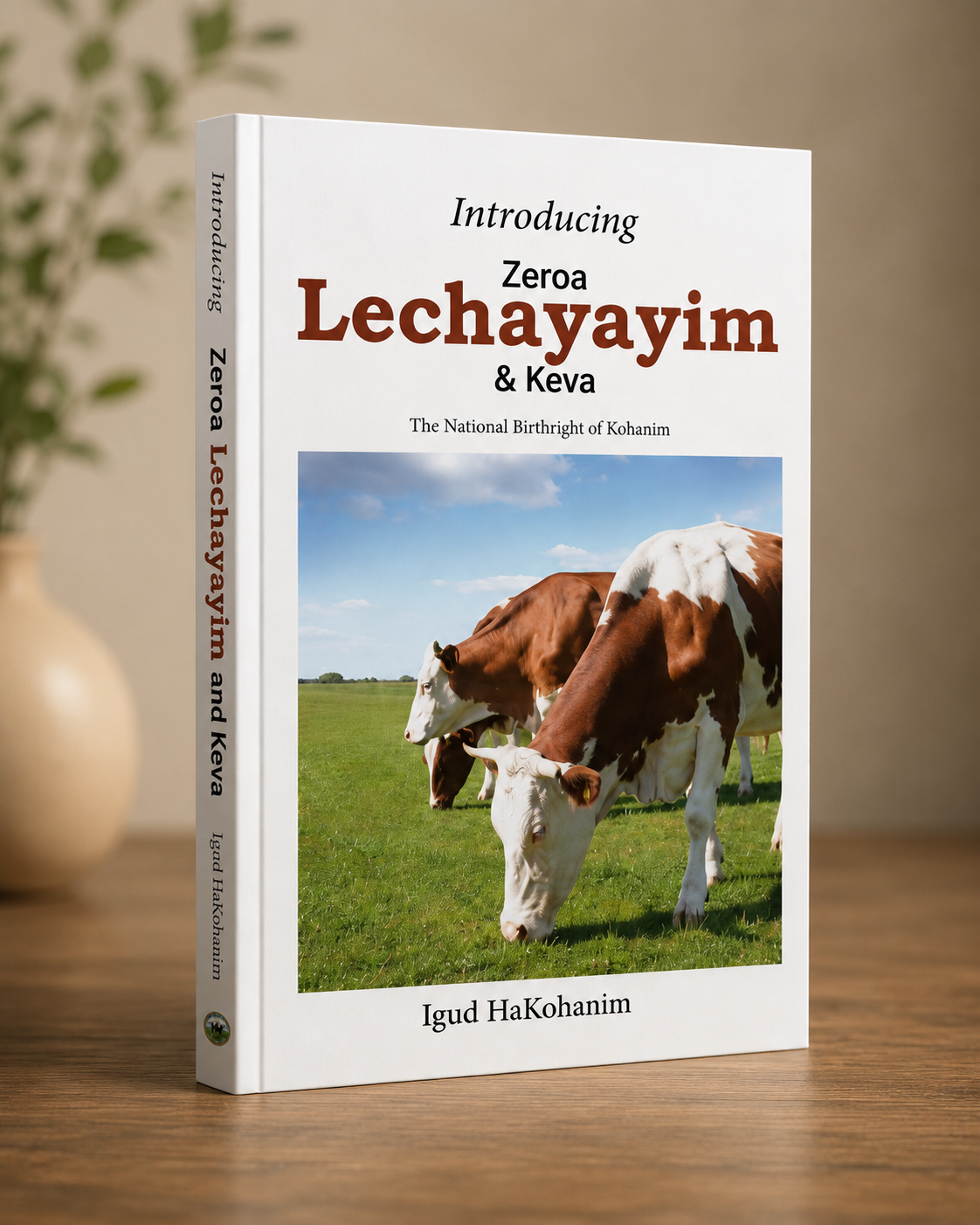
Introducing Zeroa, Lechayayim and Keva
This English work introduces the commandment, the three portions, the responsibility of the shochet, commercial slaughter, and practical questions for consumers and institutions.
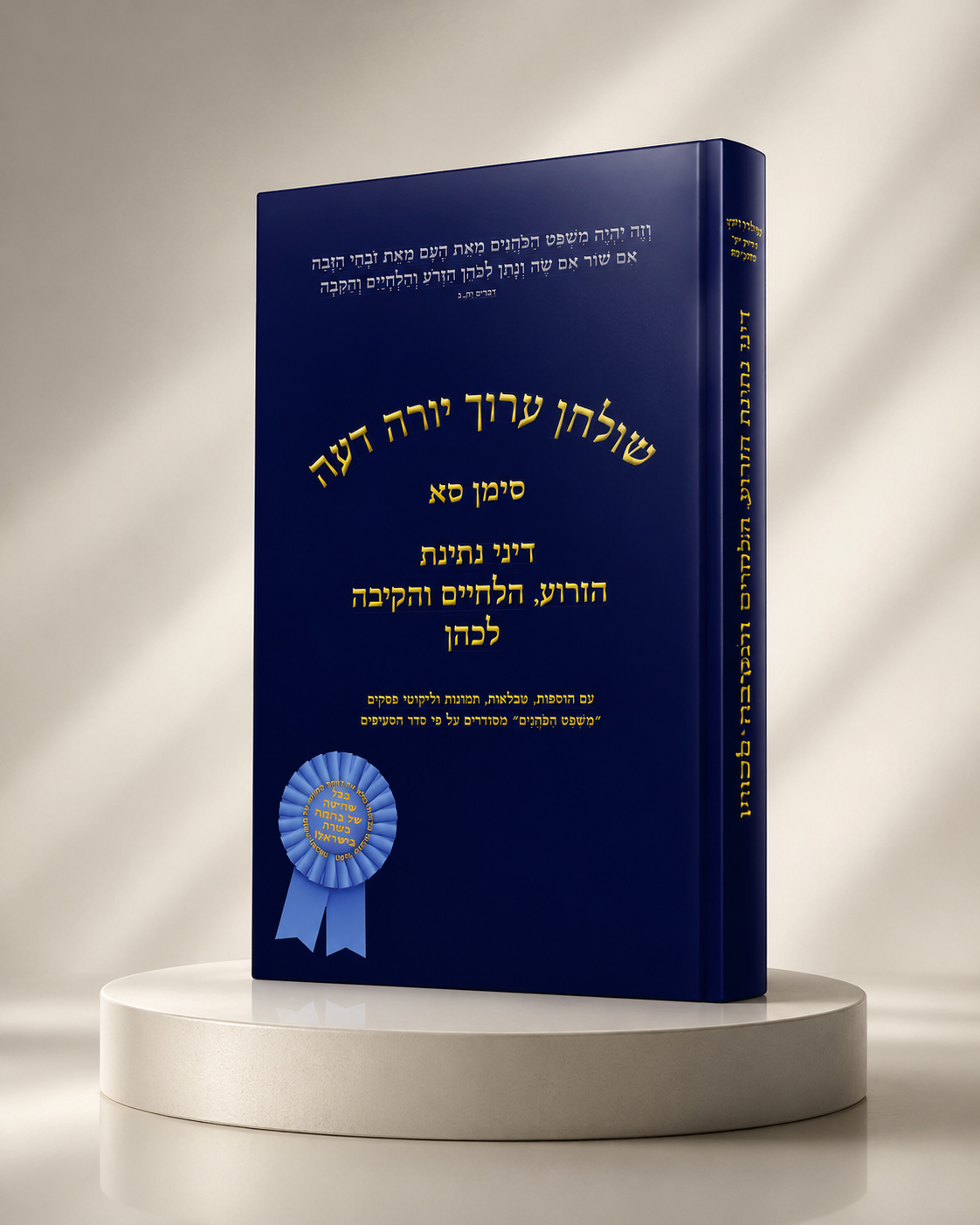
Mishpat HaKohanim on Yoreh Deah 61
This Hebrew work is devoted to the Torah instructions concerning Zeroa, Lechayayim and Keva, with extensive source material and discussion of modern slaughter and distribution.
United States: Available at Eichler’s Judaica in Brooklyn.
Israel: Available through Gitler in Bnei Brak. For Jerusalem pickup, contact Igud HaKohanim.
Support the Daily Work of Kehuna
The priestly gifts were designed to provide recurring material support for Kohanim devoted to priestly service, Torah instruction, continuity, and the needs of the Jewish people.
The Yirmiyahu Fund supports the educational, research, certification, and public-awareness work through which Igud HaKohanim advances Torah instructions concerning Kehuna in the present generation.